Cannabis Glossary for Learning Cannabis Methods
While the legal landscape surrounding cannabis evolves internationally, consumer fascination has surged along with an importance of greater education. Navigating a dispensary selection or understanding a product label can feel like learning a new language. But, achieving responsible consumption begins with literacy. Knowledge that which you are getting in to your body, how it interacts with the body, and the terminology used to describe strength and arrangement is critical for safety. That cannabis terms reduces crucial terminology in to a question-and-answer format, helping you make knowledgeable choices based on science rather than marketing.
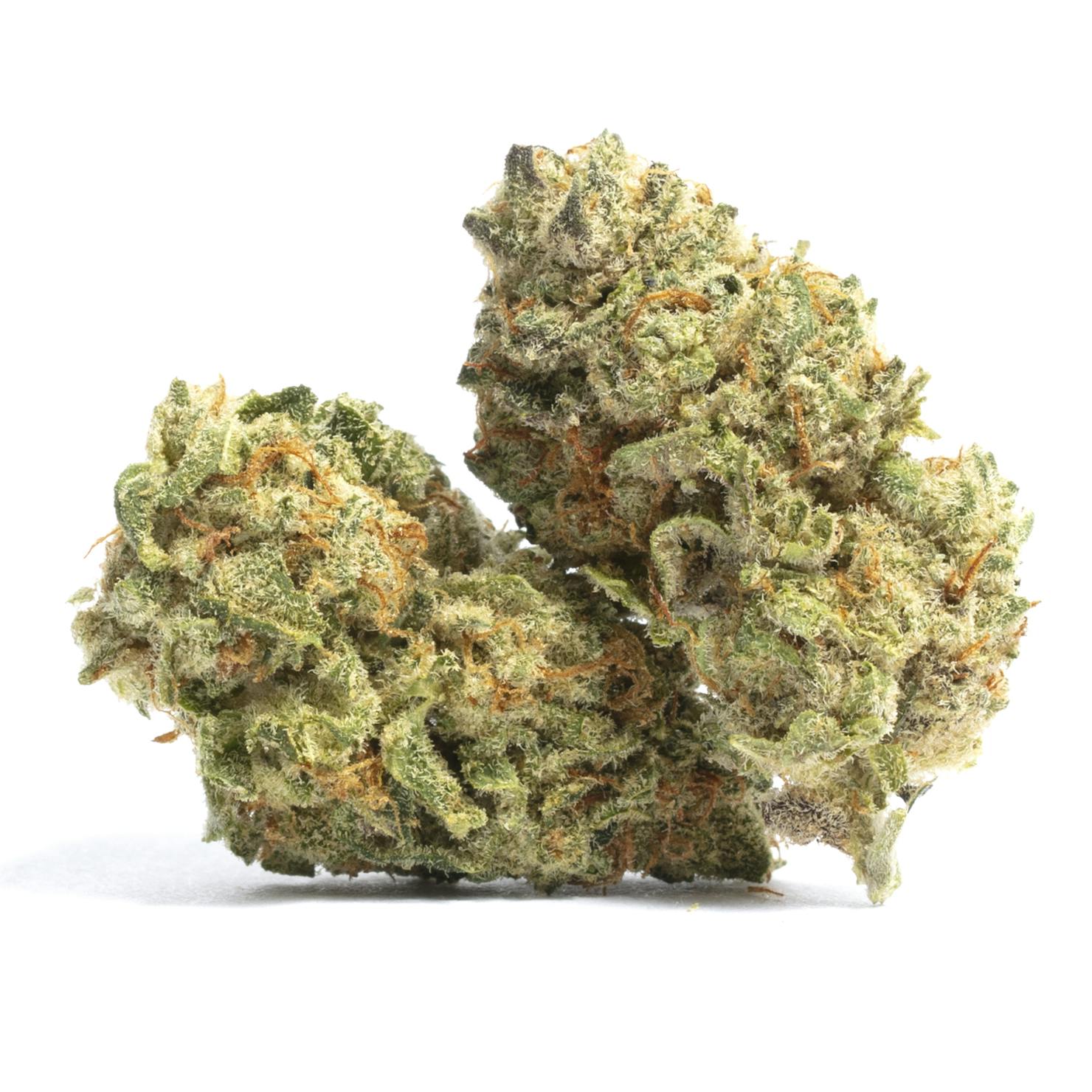
What're the primary Cannabinoids? The cannabis place includes more than 100 substance materials called cannabinoids. These talk with the body's endocannabinoid system to produce numerous effects. The two most prominent are: THC (Tetrahydrocannabinol): This is actually the primary psychoactive ingredient accountable for the “high” related to cannabis use. It binds with receptors in mental performance to change notion, temper, and cognitive function. CBD (Cannabidiol): Unlike THC, CBD is non-intoxicating. It's widely reviewed for possible therapeutic advantages, such as lowering anxiety and inflammation, without producing a psychoactive effect. What's the Entourage Effect? You might often hear budtenders mention the “entourage effect.” This idea implies that cannabis compounds work better together than in isolation. When cannabinoids (like THC and CBD) are used along with terpenes and flavonoids, they might synergize to improve therapeutic advantages and modulate psychoactive effects. Basically, the amount of the plant's elements might be more effective than any simple compound on its own. Just how do Terpenes influence the ability? While cannabinoids push the primary outcomes, terpenes will be the aromatic oils giving cannabis versions their distinct tastes and scents—including citrus and wood to fruit and earth. Study shows terpenes also enjoy a crucial role in the physiological knowledge: Myrcene: An earthy odor usually related to peace and sedation. Limonene: A citrusy odor linked to mood elevation and stress relief. Pinene: A pine-like odor that may help with alertness and memory retention. What is the huge difference between Full-Spectrum and Separate? When buying cannabis oils or tinctures, the name generally specifies the extraction type. Full-Spectrum: Includes the complete range of cannabinoids, terpenes, and necessary oils found in the initial plant. This method takes benefit of the entourage effect. Broad-Spectrum: Includes a wide range of seed compounds but usually undergoes handling to get rid of THC entirely. Separate: The finest type of an individual cannabinoid (usually CBD), wherever all the place subject, terpenes, and cannabinoids have now been removed.
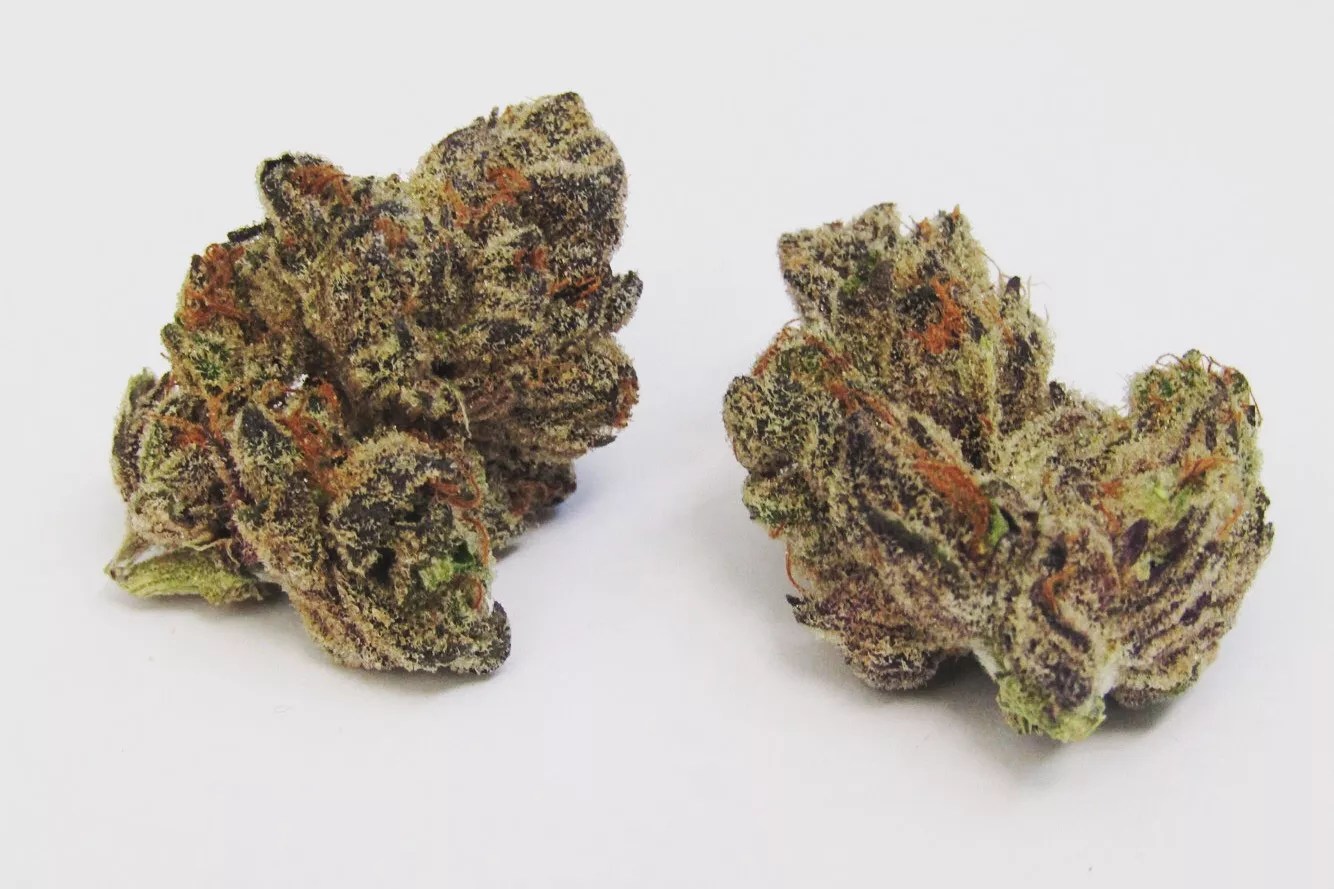
What does Bioavailability mean? Bioavailability refers to the percentage of a substance that enters the circulation when presented in to the body and can have a dynamic effect. Different use methods have different bioavailability rates. For instance, inhalation usually presents larger and quicker bioavailability than ingestion (edibles), since the liver metabolizes edibles before they enter the system, changing the effectiveness and delay of effects. How is potency calculated? Strength is generally indicated as a percentage of THC or CBD by dried weight for flower, or in milligrams (mg) for edibles and concentrates. Responsible recognition needs checking these numbers carefully. For beginner consumers, a typical beginning amount for edibles is frequently regarded as being between 2.5mg and 5mg of THC. The Basis of Security Responsible cannabis awareness is rooted in knowledge. By knowledge these primary terms, customers may steer the marketplace with confidence, ensuring that their experience is safe, managed, and arranged making use of their particular wellness goals. Always consult product labels and start with decrease amounts to gauge specific patience levels.