Vertigo Doctor Near Me Applying Evidence-Based Solutions
Vertigo is a popular issue that influences millions of people worldwide, causing dizziness, imbalance, and a spinning sensation. Based on health data, around 20–30% of people experience vertigo at some point in their lives, with prevalence increasing among older adults. Finding efficient what causes vertigo has turned into a goal for persons seeking aid, particularly therapies that give attention to restoring stability and improving quality of life. Why Is Harmony Restoration Key to Vertigo Treatment? Medical reports suggest that vertigo is usually linked to disturbances in the inner ear or vestibular system, which plays a crucial role in sustaining balance. When these systems are impaired, people may possibly experience disorientation, vomiting, and trouble doing daily tasks. Therapy strategies that emphasize harmony restoration are statistically more effective in reducing symptoms and preventing recurrent episodes. Vestibular rehabilitation therapy (VRT), for instance, uses unique exercises to train the brain and inner hearing to react appropriately to movement and spatial cues. Research indicates that people who undergo VRT record a 50–70% improvement in stability and a significant reduction in dizziness symptoms over a few weeks.
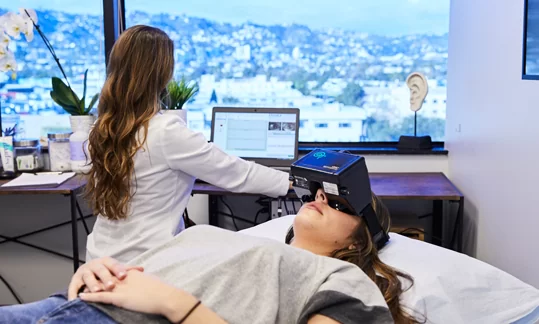
What Will be the Many Effective Local Vertigo Therapy Alternatives? For individuals looking for vertigo therapy near me , a few evidence-based choices are available: Vestibular Rehabilitation Treatment (VRT): VRT workouts are designed to each patient, concentrating on attention movement, head action, and human anatomy balance. Clinical studies demonstrate that over 80% of patients with peripheral vertigo benefit from targeted VRT sessions. Canalith Repositioning Maneuvers: Practices just like the Epley maneuver are very effective for benign paroxysmal positional vertigo (BPPV), a typical form of vertigo. Data suggest accomplishment prices of up to 90% for symptom solution after a several sessions. Medicine Administration: In some cases, drugs might be prescribed to ease sickness or dizziness while underlying triggers are addressed. Long-term use is generally confined, as rehabilitation-focused interventions tend to be more sustainable. These solutions are most reliable when administered in specialized establishments or medical centers built with trained experts and diagnostic tools. How Do Local Establishments Improve Individual Outcomes? Locating specialized establishments for vertigo therapy near me has been connected to greater healing outcomes. In accordance with patient outcome statistics, those treated in dedicated vestibular therapy centers experience quicker sign reduction and larger pleasure charges compared to basic practitioners'settings. Regional centers also offer customized care plans, combining physical treatment, patient education, and monitoring of progress. These strategies ensure that individuals not merely control indicators but additionally minimize the chance of future harmony issues. What Do Individual Knowledge Show About Recovery Situations? Clinical knowledge reveal that nearly all people undergoing balance-focused vertigo therapy experience measurable changes within 4–6 weeks. Follow-up reports indicate that consistent adherence to treatment somewhat reduces vertigo recurrence rates. Individuals practicing day-to-day harmony workouts, led by qualified specialists, report maintaining increased equilibrium also weeks following finishing treatment.
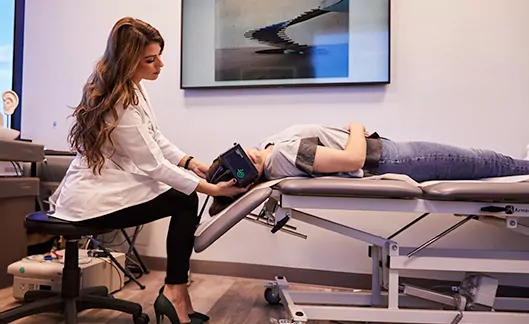
More over, mathematical designs highlight that early treatment plays an essential role. People who find therapy promptly after the onset of vertigo are more prone to regain whole mobility and reduce troubles like falls or injuries. May Lifestyle Modifications Complement Qualified Therapy? Life style factors also impact recovery from vertigo. Information from recent research stress that water, controlled head activities, and safe home environments minimize symptom severity. People who mix skilled treatment with these modifications tend to recoup faster and keep balance more effortlessly around time. Moreover, ergonomic modifications, such as for instance applying supportive furniture and avoiding unexpected positional improvements, have now been of a 30–40% decrease in dizziness periods among people with persistent vertigo.